



Armor quality, condition, and modifiers all matter. A single piece is rarely enough on its own; the best kits come from assembling, repairing, and preserving full sets.
Armor Ladder
| Armor type | Rarity | Commonly found in | Notes |
|---|---|---|---|
| Leather | Common | Southern shores | Basic early protection and the most disposable tier |
| Ghillie | Rare | All islands | Lower protection, but unique stealth value |
| Chainmail | Uncommon | The south | Better early durability for longer southern runs |
| Iron | Extreme | North and upper south | Stronger combat tier for serious route pressure |
| Kevlar | Legend | Upper north and dungeons | Premier protection and one of the top endgame goals |
Condition and Repair
The PDF makes one important point clearly: not all armor of the same material performs equally.
- higher-quality leather can outperform badly damaged iron in the short term
- durability still matters even when the material tier looks better on paper
- undesirable qualities can be corrected by combining matching pieces to repair them and remove the modifier
Ghillie Utility
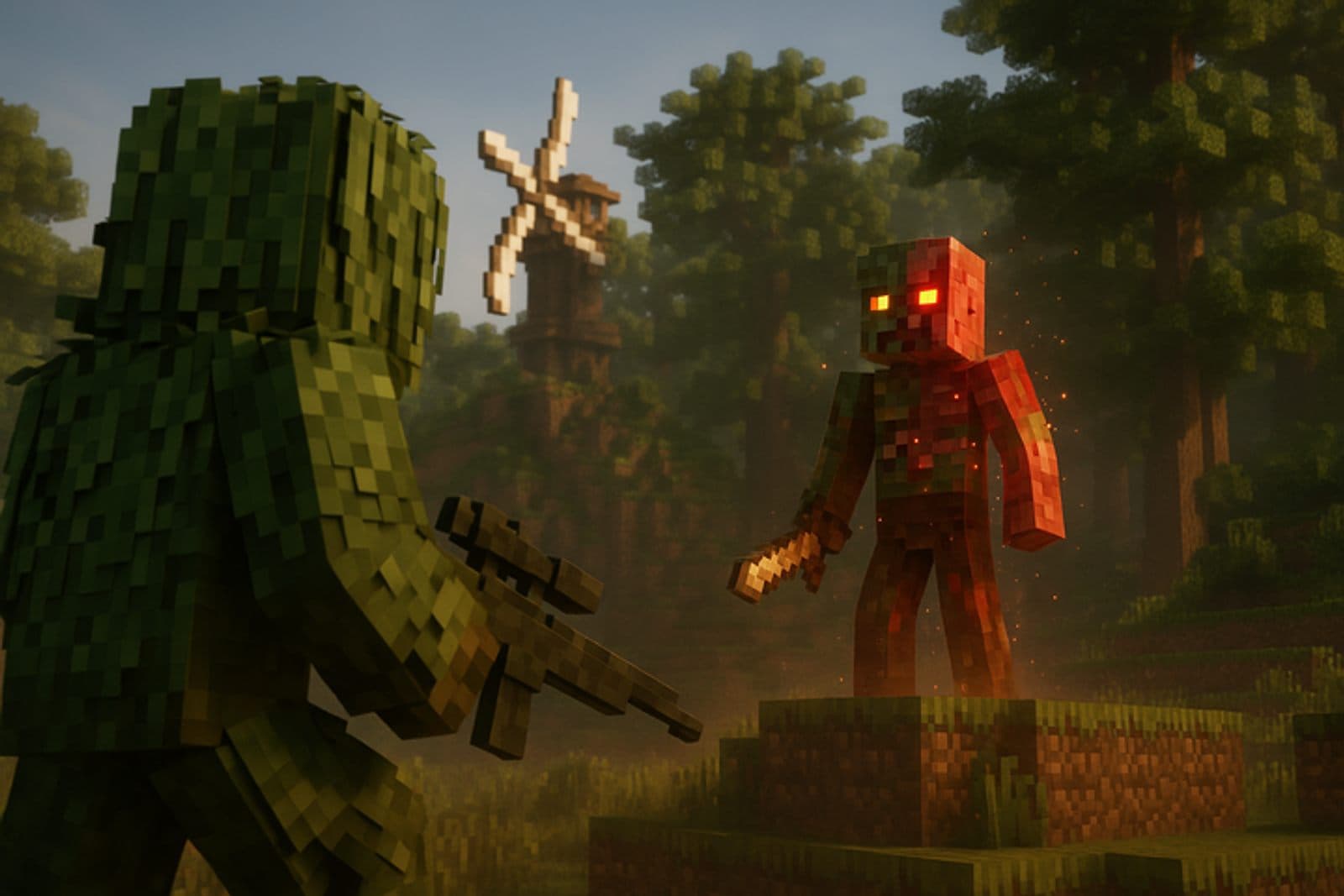
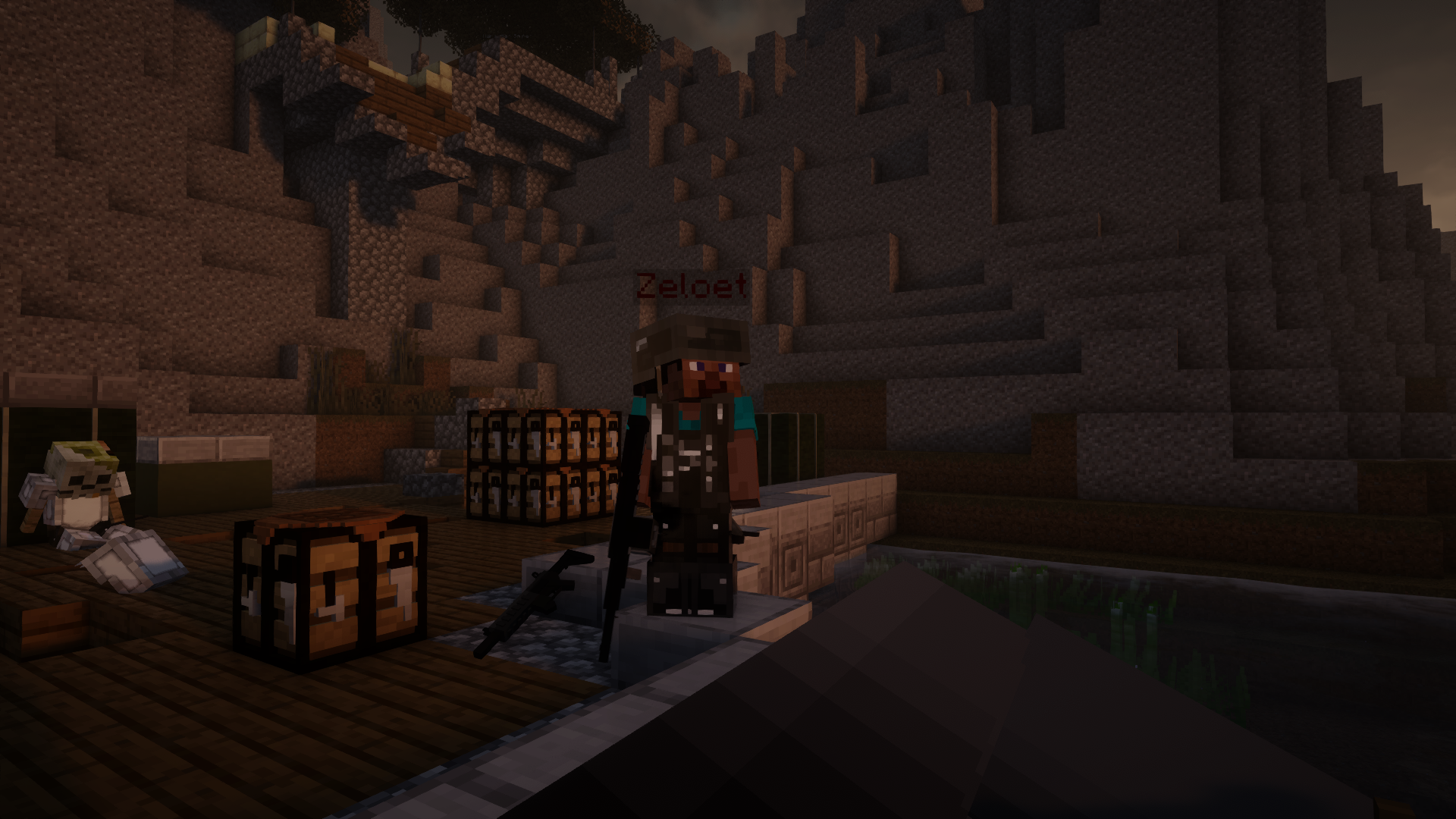
A full ghillie set hides your nameplate. It is not the strongest armor on paper, but it can prevent a fight from starting at all.
Use ghillie when:
- you are scouting or sniping
- you want to break visual recognition during movement
- your goal is avoidance, ambush, or stealthy overwatch
Bonus Modifiers
Special armor pieces and full sets can carry bonus effects, especially from dungeons.
Examples include:
- bonus speed
- extra health
- increased luck
- other set-based benefits not found on standard pieces
These are a major reason dungeon armor matters even after you already own a normal high-tier set.
Armor Habits That Keep Kits Alive
- repair valuable pieces instead of gambling them away on unnecessary fights
- do not throw out a stronger material piece without checking its condition
- protect the lower half of kevlar sets whenever you find them
- respect ghillie as a utility set, not just a low-defense novelty