

Seasons
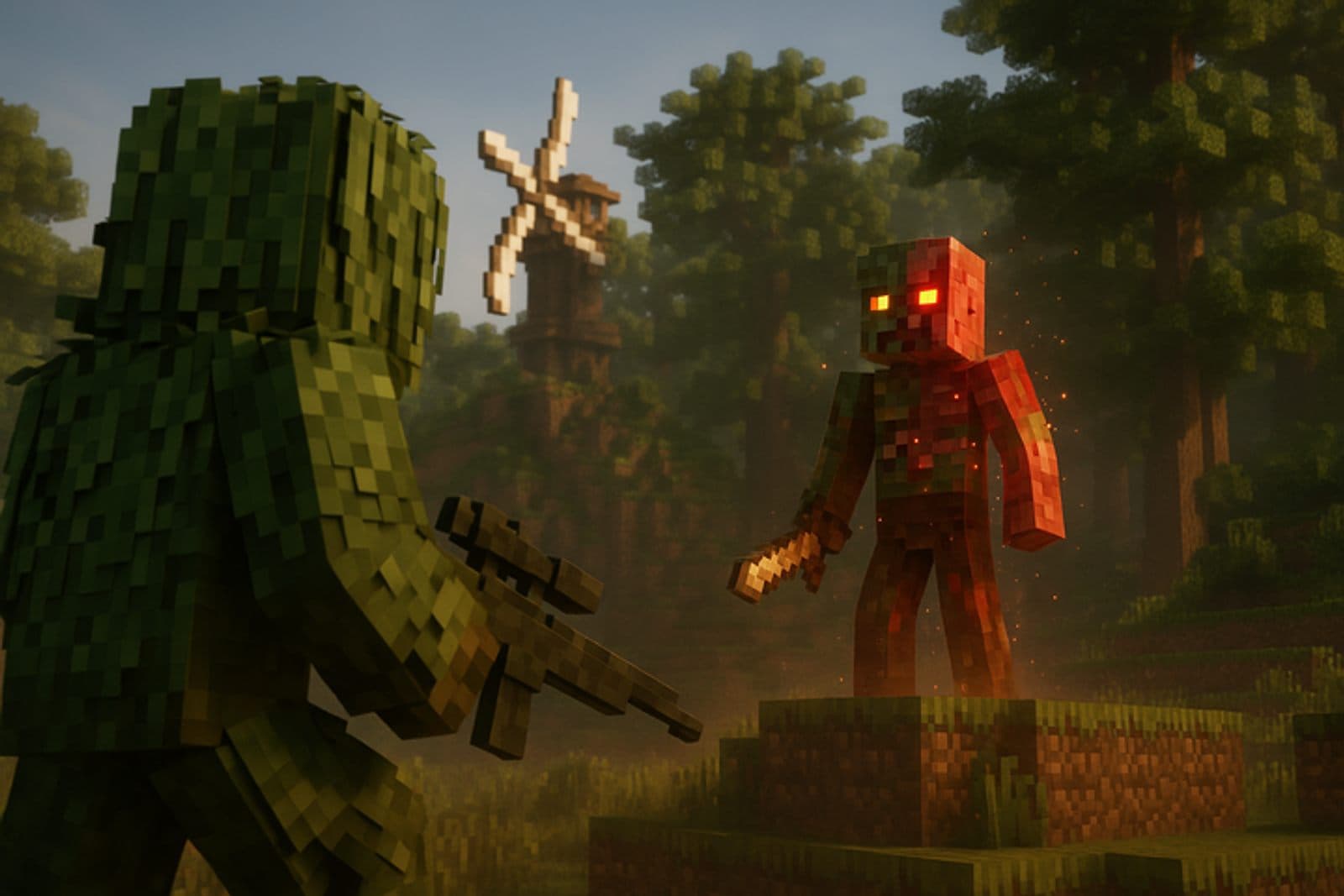
MCWAR has moved from the Season Zero open beta into Season 1. Season Zero brought players back to the classic Islands idea. Season 1 is the release version built from that return, with far more custom code, world activity, events, and survival-shooter systems layered into the islands.
Season Timeline
| Season | Identity | What it meant for players |
|---|---|---|
| Season Zero | Open beta and return to Islands | Players were re-welcomed to the traditional Islands game mode from years ago while core routes, loot flow, combat expectations, and web surfaces were tested in public |
| Season 1 | Refined release season | The game becomes a fuller living warzone, with radio-driven events, advanced NPC behavior, stronger utility systems, more tactical tools, and thousands of hours of custom code and building work folded into the live experience |
What Season Zero Was For
Season Zero was the bridge between old MCWAR memories and the modern game. It was not meant to be the final shape of the islands. It gave returning players a way back into the world, gave new players a first look at the survival loop, and gave the team room to test the parts that had to feel right before the full release push.
The important Season Zero ideas were:
- bringing back the traditional Islands identity
- proving that open-world MCWAR still works as a long-session survival game
- testing the first modern loot, firearm, armor, dungeon, and web-tool flows
- letting players relearn southern routes, northern pressure, dungeons, and gear retention
- identifying which systems needed to become deeper, louder, smarter, or more dangerous
What Season 1 Changes
Season 1 is where the game stops feeling like a simple return and starts feeling like a living shooter inside Minecraft.
| Season 1 pillar | What changed |
|---|---|
| Living world pressure | Radio events, camps, crashes, flyovers, hazards, hostile movement, and contested objectives can change the map while players are already moving through it |
| Smarter NPC ecosystem | Human NPCs can hear, search, use sightlines, move through events, take over places, and fight other groups instead of only standing around as fixed guards |
| Utility-first progression | Radios, backpacks, hooks, flares, parachutes, deployables, attachments, and explosives matter alongside guns and armor |
| Stronger route risk | The north, fuel infrastructure, airdrops, dungeons, and event signals all pull players and NPCs into the same high-value spaces |
| More shooter pacing | Ammo economy, healing supplies, sound output, cover, smoke, gas, reload timing, and route planning matter as much as raw aim |
Current Player Loop
In Season 1, a normal session is built around momentum:
- deploy from the plane and parachute into the islands
- loot fast enough to survive the opening pressure
- secure a firearm, ammo, food, meds, armor, and a route plan
- listen to the radio and decide whether to chase, avoid, or exploit events
- push into better loot lanes, northern regions, airdrops, fuel points, or dungeons
- protect what you earned long enough to store it or turn it into a stronger run
You build momentum in a hostile world, then try to keep it.
Season 1 Mindset
Treat the islands as active. A quiet town can become loud. A radio ping can be loot, danger, bait, rescue, or all of those at once. A vehicle can save time while making enough noise to pull attention. A good companion can save a run if you keep them alive, and a hostile group can turn your route into a moving fight.
Season 1 rewards players who think like survivors and shooters at the same time: move with purpose, listen carefully, carry enough sustain, use tools before the fight is already lost, and do not assume any valuable signal is only yours.